Mushrooms are having a moment in longevity circles. From lion's mane for brain health to cordyceps for stamina, medicinal fungi are marketed as natural anti-ageing tools. But marketing often outpaces evidence. This article separates the promising science from the hype, focusing on compounds that have at least some laboratory, animal or early human data relevant to ageing.
Mushrooms & Longevity Compounds: Anti-Ageing Evidence 2026
What lion's mane, reishi, chaga, cordyceps, turkey tail and ergothioneine might do for healthy ageing — and where the evidence really stands.
1. Lion's Mane: Cognition and Nerve Support
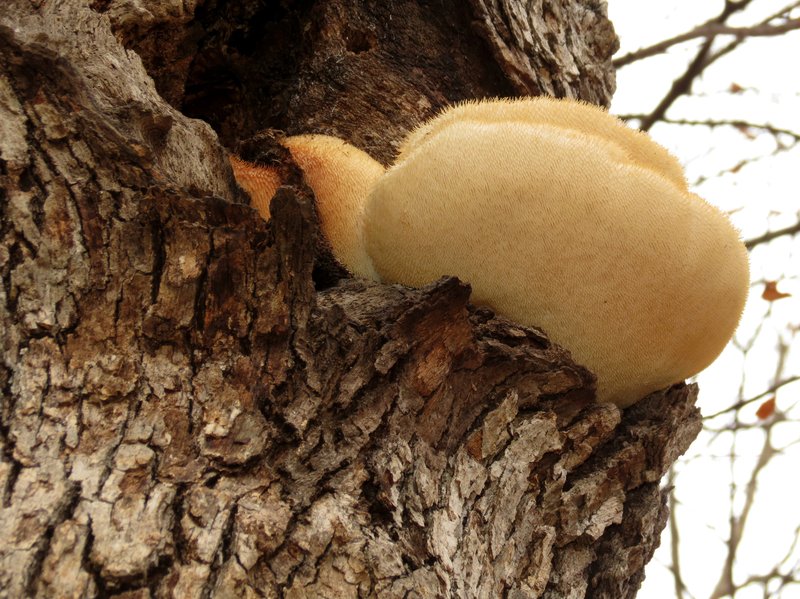
Hericium erinaceus is a shaggy white mushroom used in East Asian cooking and traditional medicine. It contains two families of compounds that interest neuroscientists: hericenones (from the fruiting body) and erinacines (from the mycelium). These compounds can cross the blood–brain barrier in animal models and stimulate nerve growth factor (NGF) production, which supports the growth and maintenance of neurons.
What the evidence shows:
- A 2009 Japanese study in older adults with mild cognitive impairment found that daily lion's mane extract improved cognitive function scores compared with placebo over 16 weeks — but the effect diminished after stopping supplementation.
- Animal studies suggest lion's mane may support hippocampal neurogenesis and reduce amyloid plaque burden, though human dementia trials are still early.
- Small human trials have reported reduced anxiety and improved sleep quality, but these are not yet replicated at scale.
Why it might matter for ageing: Cognitive decline is one of the most feared aspects of ageing. If lion's mane can support NGF and mild cognitive function, it could be a useful adjunct to diet, exercise, sleep and social engagement — but not a replacement for any of them.
2. Reishi: Immune Modulation and Stress Resilience
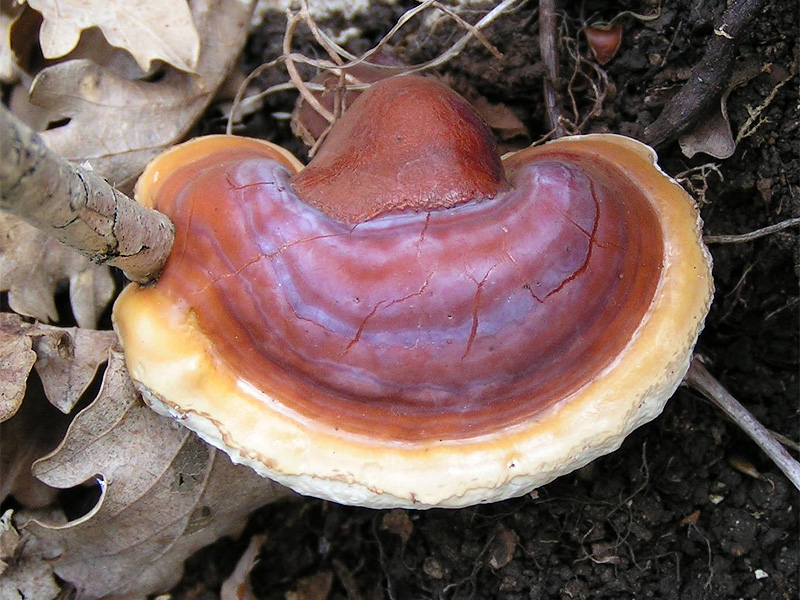
Ganoderma lucidum, or reishi, is one of the most studied medicinal mushrooms. Its main bioactive compounds are triterpenoids and beta-glucans, which have been shown in cell and animal studies to modulate immune signalling and reduce inflammation.
What the evidence shows:
- Reishi beta-glucans can activate macrophages, natural killer cells and dendritic cells in laboratory studies, suggesting broad immune support.
- Triterpenoids have shown anti-inflammatory and antioxidant effects in animal models of ageing-related diseases.
- A Cochrane review concluded that reishi supplements may modestly improve immune markers and quality of life in some cancer patients, but the evidence was too weak to recommend as a treatment.
- Some human trials report improved fatigue, sleep and general well-being, though these outcomes are subjective and the trials are small.
Why it might matter for ageing: Chronic low-grade inflammation ("inflammageing") and immune dysfunction are two hallmarks of ageing. Reishi is not a cure, but its immune-modulating compounds are biologically plausible candidates for healthy-ageing research.
3. Chaga: Antioxidants and DNA Protection
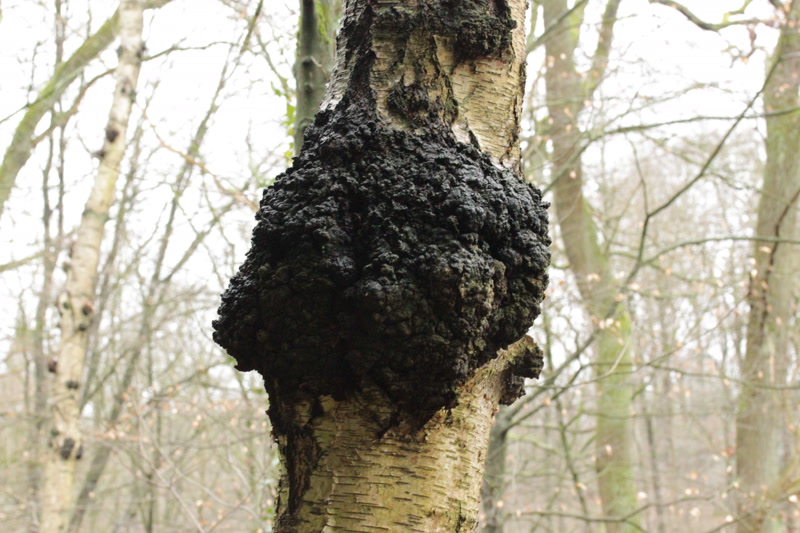
Inonotus obliquus grows on birch trees in cold climates and is unusually rich in polyphenols, betulinic acid and beta-glucans. It has one of the highest antioxidant scores of any natural food measured.
What the evidence shows:
- Chaga extracts protect cells from oxidative stress and DNA damage in laboratory studies.
- Animal studies suggest anti-inflammatory and blood-sugar-modulating effects, though human trials are scarce.
- Because chaga is high in oxalates, there are case reports of kidney damage with very high or long-term use. Quality and dose matter.
Why it might matter for ageing: Oxidative DNA damage accumulates with age and is linked to several hallmarks of ageing. Chaga's antioxidant profile is interesting, but the human data is too thin to recommend confidently.
4. Cordyceps: Mitochondria and Exercise Capacity
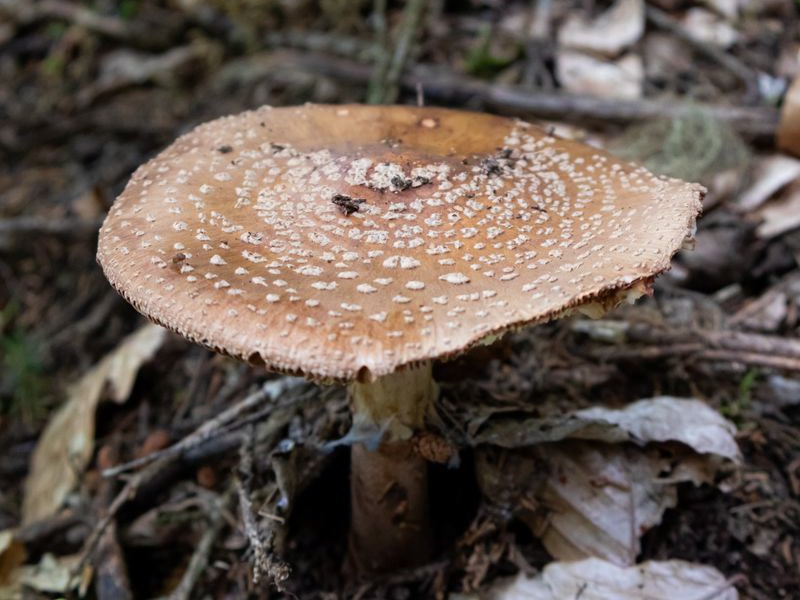
Cordyceps militaris and related species have been used in Tibetan and Chinese medicine for fatigue and vitality. Their key compound, cordycepin, affects energy metabolism and may support mitochondrial function.
What the evidence shows:
- Cordyceps has improved exercise performance, VO2 max and lactate threshold in some human trials, although results are mixed and often modest.
- In animal studies, cordyceps extends lifespan in fruit flies and worms — but these models do not translate directly to humans.
- Cordycepin shows anti-inflammatory and anti-fibrotic effects in preclinical models, which could be relevant to age-related tissue decline.
Why it might matter for ageing: Mitochondrial dysfunction is a major hallmark of ageing. If cordyceps can support exercise tolerance and mitochondrial health, it may help people stay active longer — one of the strongest predictors of healthy ageing.
5. Turkey Tail: Gut Microbiome and Immunity
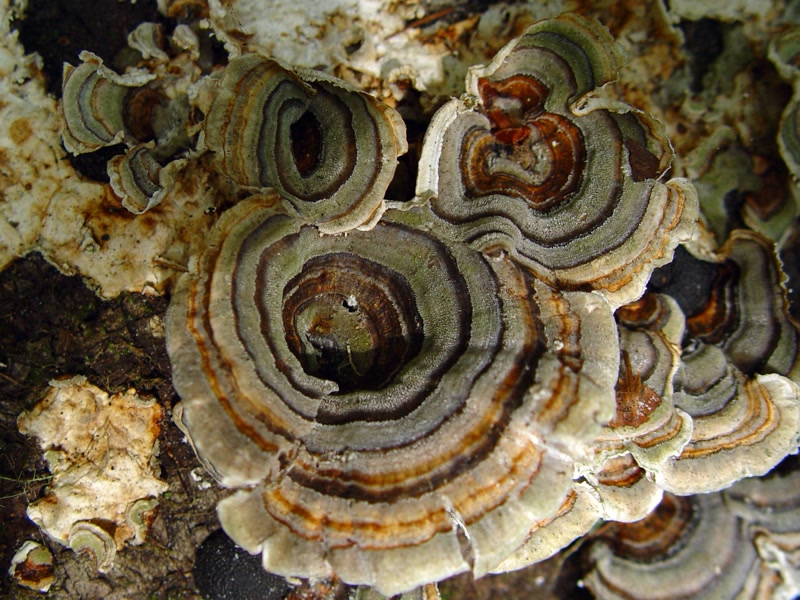
Trametes versicolor is best known for its role as an adjunct in cancer care in Japan and China, where purified polysaccharide extracts (PSK and PSP) are used alongside conventional treatment. For healthy ageing, its main interest lies in immune training and gut-microbiome support.
What the evidence shows:
- PSK and PSP have been studied in thousands of cancer patients, mostly in Asia, and appear to support immune function during chemotherapy.
- Turkey tail is a rich source of prebiotic polysaccharides that feed beneficial gut bacteria in animal and human studies.
- Gut microbiome diversity tends to decline with age, so prebiotic fibres from mushrooms may have indirect longevity benefits.
Why it might matter for ageing: The gut microbiome influences immunity, metabolism and even brain health. Turkey tail's polysaccharides may help maintain a healthier microbial ecosystem as you age.
6. Ergothioneine: The Longevity-Interest Amino Acid
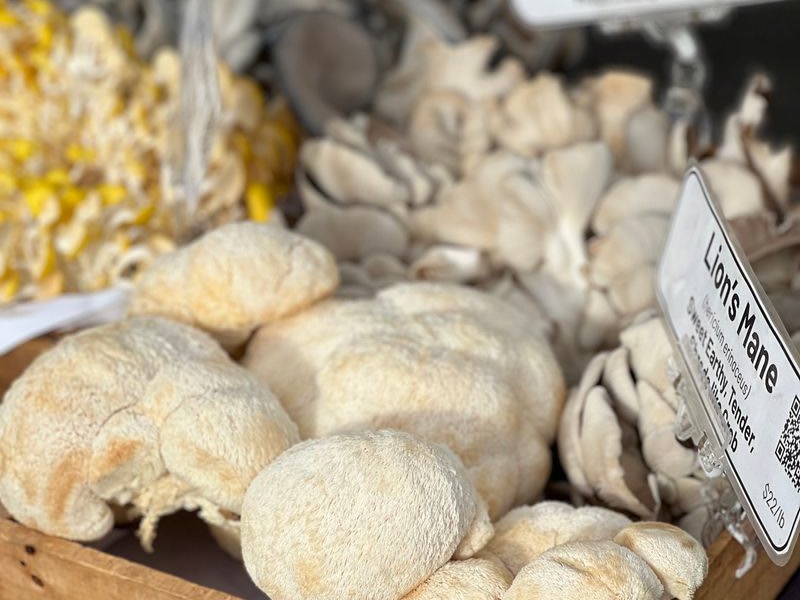
Ergothioneine is not a mushroom itself but an amino acid found almost exclusively in fungi. Humans cannot make it, so blood levels depend on diet. It accumulates in tissues under oxidative stress — particularly the liver, kidneys, eyes and brain — suggesting it acts as a tissue-protective antioxidant.
What the evidence shows:
- Population studies have linked lower ergothioneine levels to faster cognitive decline, cardiovascular disease and mortality.
- Ergothioneine protects cells from oxidative and inflammatory damage in laboratory studies and animal models.
- There is a specific ergothioneine transporter (OCTN1/SLC22A4) in human cells, suggesting evolution has selected for its uptake — a strong hint that it plays an important physiological role.
- Randomised controlled trials in humans are still limited, but several are underway.
Why it might matter for ageing: Ergothioneine is one of the most scientifically plausible fungal-derived longevity compounds. It is found in mushrooms like shiitake, oyster, maitake and king trumpet, making culinary mushrooms a low-risk way to increase intake.
7. Beta-Glucans: The Common Thread
Almost all medicinal mushrooms contain beta-glucans, a type of soluble fibre that trains the innate immune system. Beta-glucans are recognised by receptors on immune cells and can prime the body to respond more effectively to infections and possibly to cellular damage.
Eating a variety of mushrooms regularly — not just taking extracts — may be one of the simplest dietary habits associated with healthy ageing. Mushrooms are low in calories, provide B vitamins, selenium, copper and potassium, and deliver ergothioneine and beta-glucans in their natural food matrix.
8. Video Picks
These interviews discuss the wider biology of ageing, immune resilience and metabolism that mushroom research fits into. They are external YouTube links and open in a new tab.

AI Just Compressed 160 Years of Aging Research
David Sinclair explains how AI is uncovering new ageing biology — context for why compounds that affect nerve, immune and mitochondrial health are worth studying.
Watch on YouTube →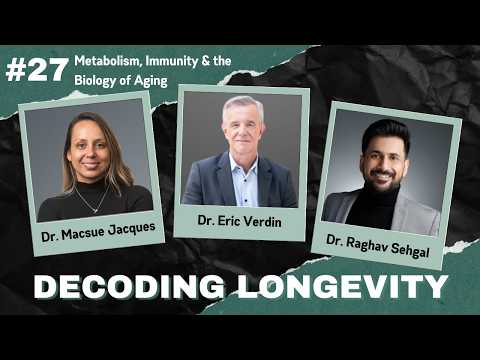
Metabolism, Immunity & the Biology of Aging
Eric Verdin on immune senescence and metabolism — the same systems that reishi, turkey tail and ergothioneine may influence.
Watch on YouTube →
The Real Reason You Age (And How to Slow It Down)
Mark Hyman and Eric Verdin discuss what actually moves the needle on ageing, including inflammation, mitochondria and immune health.
Watch on YouTube →9. Supplement Options to Consider
These are affiliate links to Amazon — LongevityTortoise may earn a small commission if you purchase, at no extra cost to you. They are not medical recommendations.
Mushroom Blend with Chaga & Turkey Tail →
Want a personalised shortlist? See our full Longevity Supplement Shopping List.
Bottom Line
Mushrooms are a promising area of longevity research, but the human evidence is still early. The safest bet is to eat a variety of mushrooms regularly for ergothioneine, beta-glucans and fibre. If you want to try extracts, lion's mane has the most human cognitive data, reishi has the broadest immune research, cordyceps has exercise trials, and ergothioneine is the compound to watch as more trials complete.
For a deeper dive into the biology of ageing, see our 12 Hallmarks of Ageing article. For Chinese herbs and mushrooms in a broader context, see Chinese Herbs and Longevity Evidence.
FAQ
Do mushrooms slow ageing?
No mushroom has been proven to extend human lifespan. Some medicinal mushrooms and fungal compounds show interesting effects on immunity, cognition, mitochondria and oxidative stress in laboratory, animal and early human studies, but the evidence is preliminary.
Which mushroom has the strongest brain-ageing evidence?
Lion's mane (Hericium erinaceus) has the most human research on mild cognitive impairment and nerve-growth-factor-like compounds called hericenones and erinacines, but larger, longer trials are still needed.
Are mushroom supplements safe?
Most culinary and medicinal mushrooms are well tolerated, but supplements can interact with blood thinners, blood-pressure medication and immune-modulating drugs. Always speak to a healthcare professional before starting a new supplement, especially if you are pregnant, nursing or have a medical condition.
Related LongevityTortoise Pages
Pros and Cons of This Topic
✅ Potential strengths
- May support healthy-ageing research goals when combined with diet, sleep and exercise.
- Some compounds have early human trial or mechanistic data.
- Generally low risk for most healthy adults at typical food doses.
⚠️ Important caveats
- Human longevity trials are rare; most evidence is preclinical or observational.
- Supplements can interact with medications and are not personalised medicine.
- Marketing often overstates what the current science actually shows.