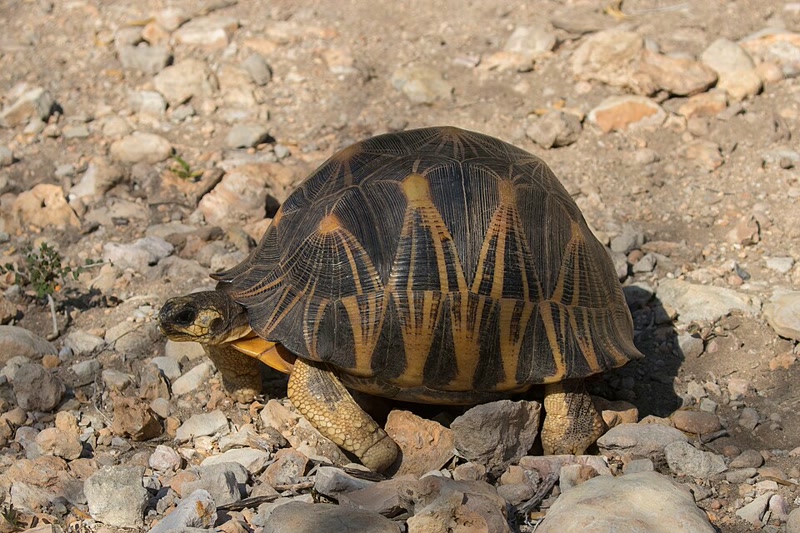
What is Longest-Living Animals and the Science of Slow Ageing?
This LongevityTortoise guide reviews the latest peer-reviewed evidence to help you understand Longest-Living Animals and the Science of Slow Ageing and decide whether it fits into a healthy-ageing routine. We prioritise human trials, disclose limitations and never replace professional medical advice.
Some animals barely seem to age. The ocean quahog can live past 500 years, bowhead whales past 200, and giant tortoises well past 100. Their tricks include efficient DNA repair, slow metabolism, low oxidative damage and strong immune systems. Humans can't become tortoises, but researchers are studying these traits to find targets that might slow our own ageing.
🐢 Tortoise Wisdom
"Age is just a number — unless you're a clam, then it's 507."
1. The Age Champions: A Quick Tour
Tap any animal to see what makes it a longevity champion. These summaries replace the old side-scrolling table with a mobile-friendly accordion.
Ocean quahog (Arctica islandica)
~400–507 yearsMarine bivalve
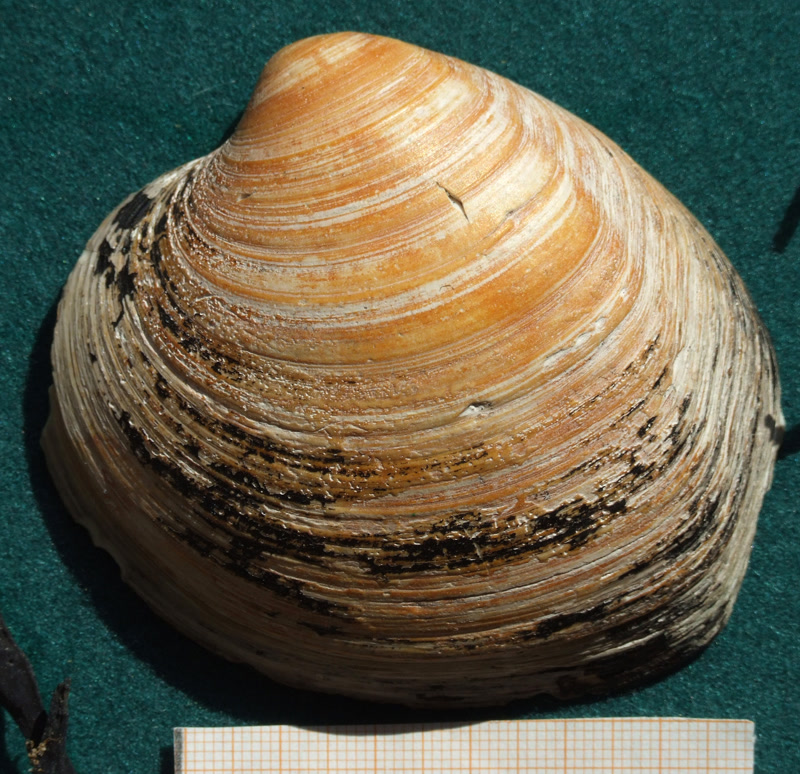
Why it lives so long: Extremely slow metabolism, negligible senescence and stable proteins mean very little cellular wear over centuries.
Its extreme lifespan shows how a low-energy lifestyle can dramatically slow biological ageing.
Greenland shark (Somniosus microcephalus)
~272–512 yearsArctic shark
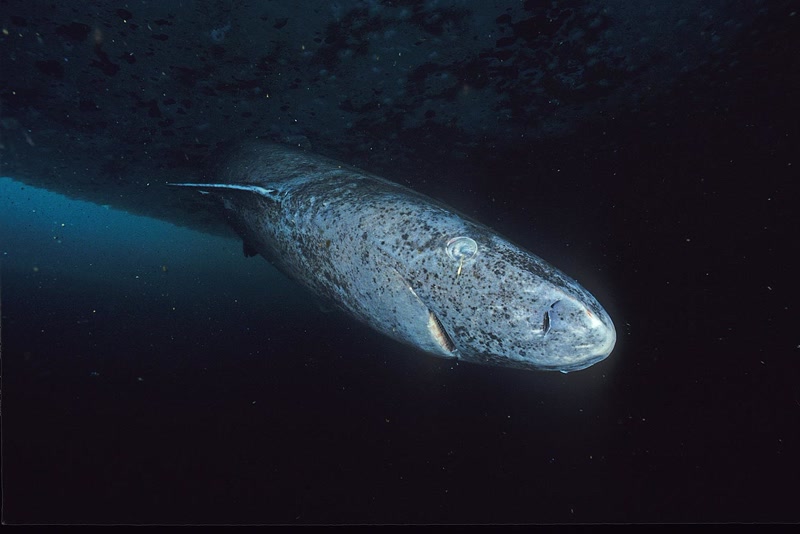
Why it lives so long: Cold environment, slow growth and a low metabolic rate reduce the rate of cellular damage.
Some individuals may have been born before the Industrial Revolution, making them a powerful example of temperature-driven longevity.
Bowhead whale (Balaena mysticetus)
~200+ yearsArctic whale
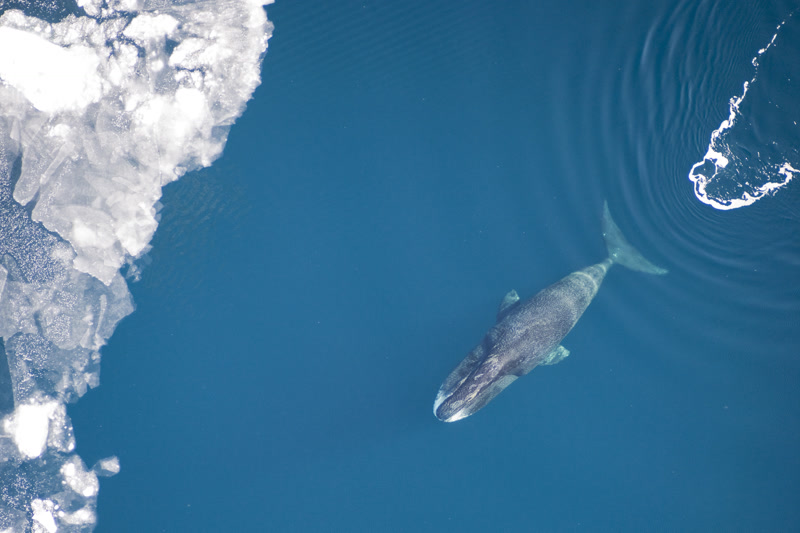
Why it lives so long: Efficient DNA repair, tumour-suppressor adaptations and large body size help it avoid both cancer and age-related decline.
As a warm-blooded mammal, the bowhead is especially relevant to human longevity research.
Rougheye rockfish (Sebastes aleutianus)
~200+ yearsDeep Pacific fish
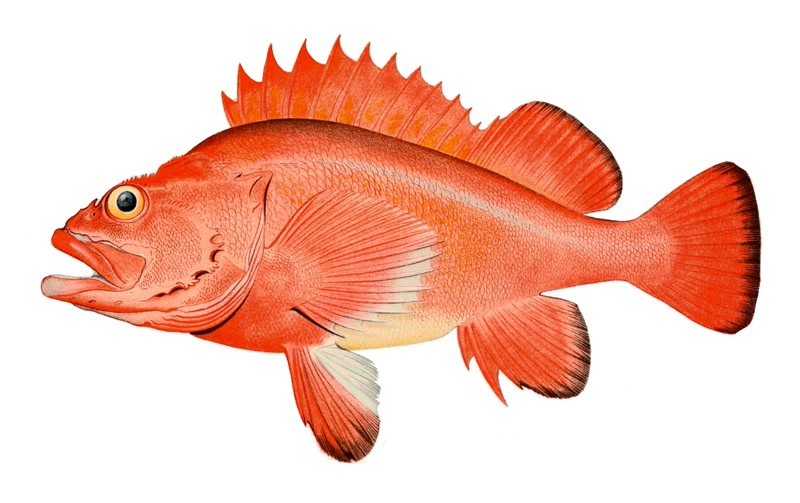
Why it lives so long: Negligible senescence, slow growth and a deep cold habitat keep its biology running slowly.
Like other long-lived fish, it suggests that a stable, low-stress environment supports extreme lifespan.
Galápagos giant tortoise (Chelonoidis niger)
100–170+ yearsLand reptile
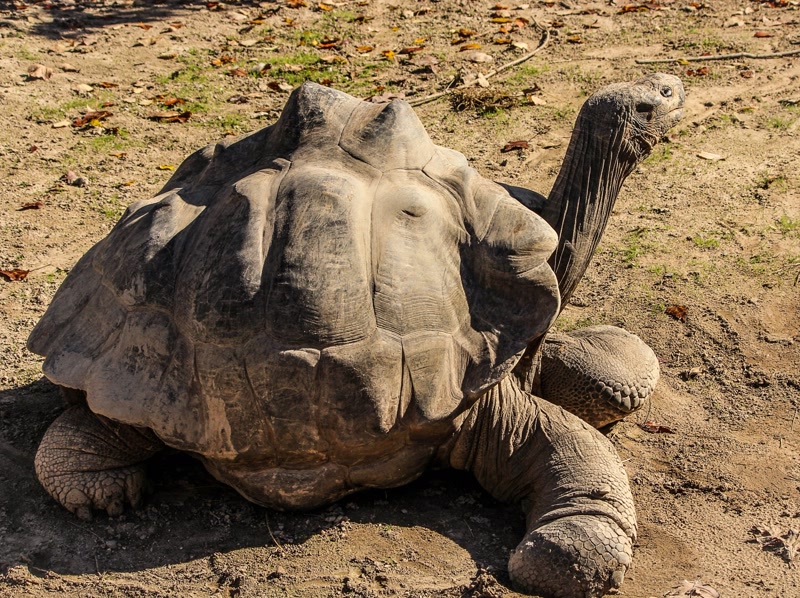
Why it lives so long: Slow metabolism, efficient DNA repair, a protective shell and robust immunity combine to slow ageing.
This is the species behind our mascot — slow, steady and built to last.
Aldabra giant tortoise (Aldabrachelys gigantea)
150+ yearsLand reptile
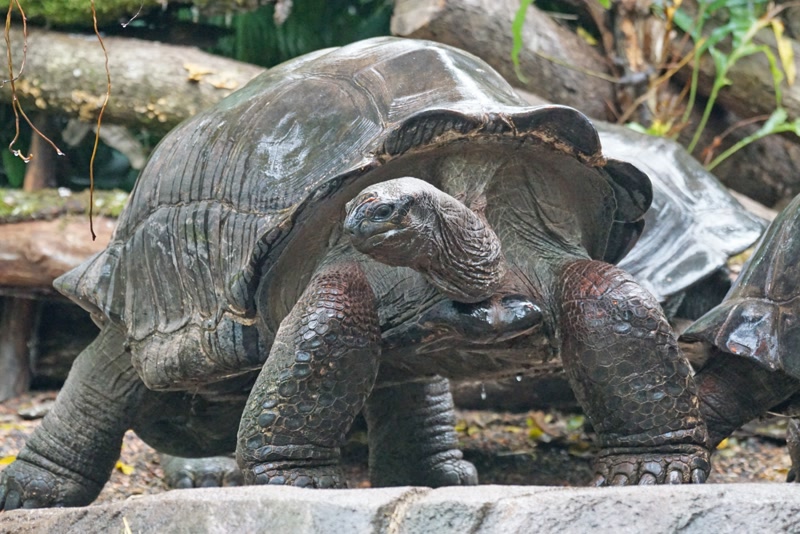
Why it lives so long: Similar traits to the Galápagos tortoise, with documented centenarians.
Jonathan, the famous Aldabra tortoise, is one of the oldest known land animals alive today.
Naked mole rat (Heterocephalus glaber)
~30 yearsRodent outlier
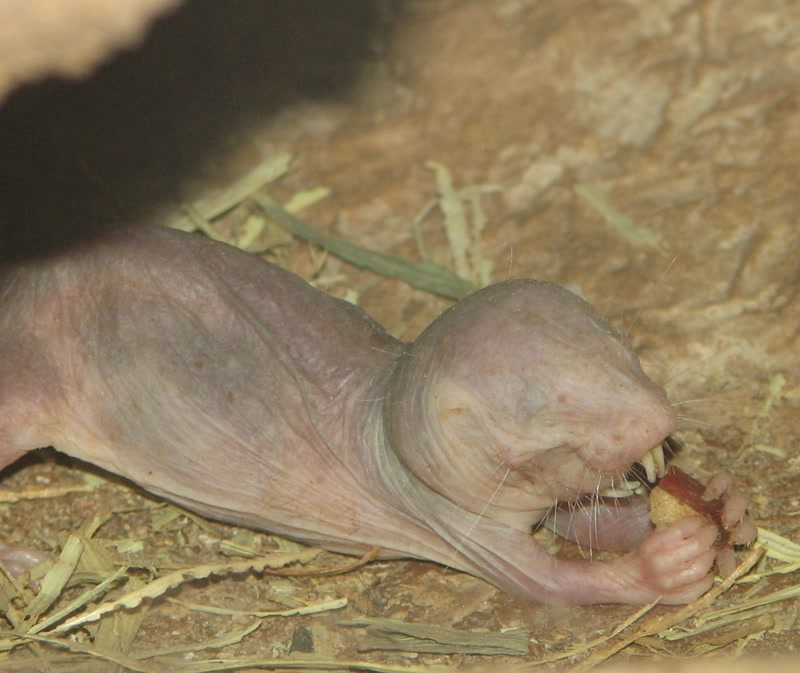
Why it lives so long: High proteostasis, cancer resistance, stable telomeres and low oxidative stress keep this small rodent alive for decades.
It is roughly ten times longer-lived than similarly sized rodents, making it a star of ageing research.
Bat in flight at night (Myotis brandtii)
~41 yearsTiny mammal outlier
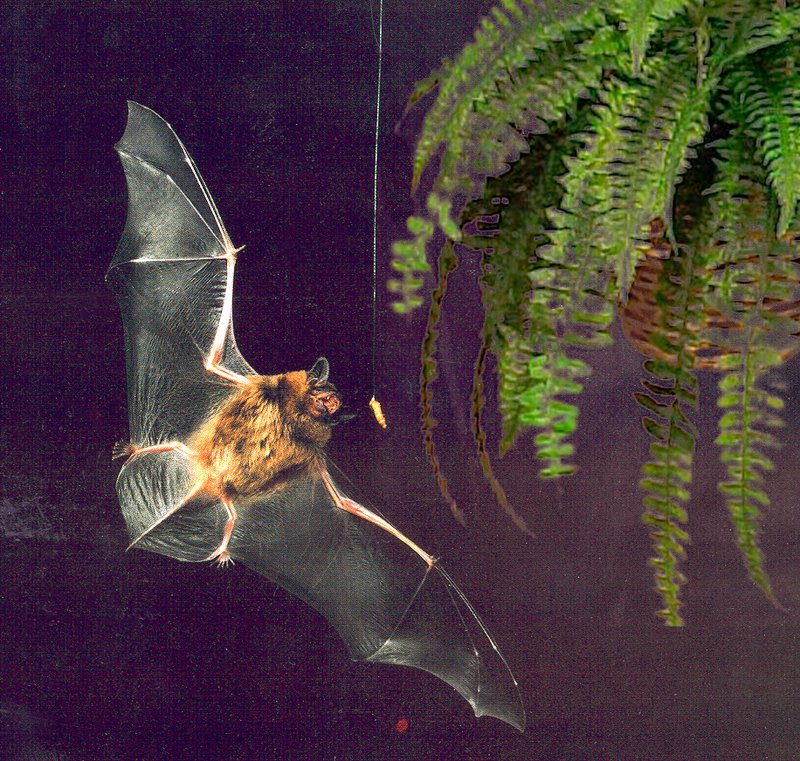
Why it lives so long: Robust DNA repair, anti-inflammatory adaptations and careful telomere maintenance let this 5–10 gram bat outlive cats.
It proves that lifespan is not simply about body size — cellular defences matter more.
2. Tortoises: Our Slow-and-Steady Mascot
Tortoises are the reason this site exists. The Galápagos giant tortoise and Aldabra giant tortoise are among the longest-living vertebrates, with confirmed ages over 150 years and unconfirmed reports beyond 200. Smaller species still impress: radiated tortoises, Hermann's tortoises, Greek tortoises and desert tortoises often reach 50–100 years.
Their longevity comes from a combination of traits:
- Negligible senescence: mortality does not rise sharply with age the way it does in most mammals.
- Slow metabolism: lower energy turnover means lower oxidative damage over time.
- Efficient DNA repair: their cells maintain genomic stability for decades.
- Robust immune defences: they fight infections effectively throughout life.
- Protective shell: physical protection reduces injury and chronic stress.
These traits make tortoises a useful mascot for the tortoise-paced, evidence-led approach to longevity science.
3. Marine Long-Livers: Whales, Sharks and Clams
The ocean is home to some of the most extreme lifespans. The ocean quahog, a small clam, was aged at 507 years by counting growth rings. Its cells are incredibly metabolically inactive, which may protect them from the wear and tear that drives ageing.
Greenland sharks grow only a few centimetres per year in near-freezing Arctic waters. A 2020 study suggested some individuals could be older than 500 years. Cold temperatures slow down biochemical reactions and may reduce the accumulation of cellular damage.
Bowhead whales are mammals, like us, yet they live more than 200 years. Their genomes contain variants linked to DNA repair, cancer suppression and insulin regulation. A 2024 review in Nature Reviews Genetics discussed how comparative genomics of cetaceans is revealing longevity-associated genes.
Relevant papers:
Reinke et al., 2022 — Science (comparative biology of ageing);
Nielsen et al., 2016 — Science (Greenland shark longevity).
4. Small Mammal Outliers: Naked Mole Rats and Bats
Naked mole rats are the size of a mouse but live up to 30 years — roughly ten times longer than similarly sized rodents. They rarely get cancer, maintain protein quality control into old age, and keep their telomeres stable. Their extraordinary proteostasis has been studied as a model for delaying ageing-related decline.
Long-lived bats such as Bat in flight at night also punch above their weight. Despite weighing only 5–10 grams, they can live more than 40 years. Their longevity is linked to enhanced DNA repair, reduced inflammation and effective management of viral infections.
These species show that lifespan is not simply determined by body size. Small animals can be exceptionally long-lived if they evolve the right cellular defences.
5. What Long-Lived Animals Share
Across species, the same themes keep appearing:
- DNA repair and genome maintenance
- Low oxidative and metabolic stress
- Strong proteostasis (protein quality control)
- Cancer resistance
- Stable telomeres or telomere-independent cell stability
- Efficient nutrient sensing and insulin signalling
- Robust immune and stress responses
These overlap heavily with the 12 Hallmarks of Ageing, the framework biologists use to describe the cellular processes that drive ageing.
6. Human Relevance: Can We Borrow Their Tricks?
Humans are already unusually long-lived for our body size, thanks to evolutionary changes in metabolism, immune function and social behaviour. But we still age. Researchers are asking whether interventions that mimic long-lived animals' traits — boosting DNA repair, lowering chronic inflammation, improving proteostasis — could extend human healthspan.
Promising areas include:
- NAD+ precursors such as NMN and NR, which support DNA repair and mitochondrial function.
- Senolytics like fisetin and quercetin, which clear aged, dysfunctional cells.
- Autophagy activators such as spermidine and rapamycin analogues.
- Mitochondrial support including CoQ10 and various metabolites.
None of these have been proven to replicate animal longevity in humans, but they are active areas of research. Our supplement guides cover the evidence honestly.
Giant Tortoise Genomes
Explore what giant tortoise DNA reveals about cancer resistance and lifespan. Read the research review →
Frequently Asked Questions
Which animals live the longest?
Ocean quahogs, Greenland sharks, bowhead whales, certain tortoises and some corals live for centuries.
How long can a tortoise live?
Giant tortoises such as Jonathan have lived over 190 years. Several Aldabra and Galápagos tortoises exceed 100 years.
What makes some animals live so long?
Slow metabolism, efficient repair, large size, low predation and stress-resistant cells are common factors.
Do long-lived animals avoid cancer?
Many have tumour-suppression mechanisms, efficient DNA repair and tightly controlled cell growth.
Can humans copy animal longevity strategies?
We can apply principles such as calorie awareness, exercise, stress reduction and sleep, but not extreme metabolic slowing.
Last updated: 2026-08-18 by LongevityTortoise.