TL;DR
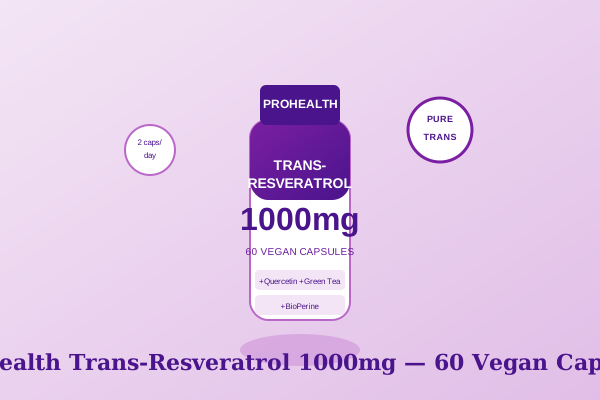
TL;DR: Resveratrol is the most famous polyphenol in longevity research, but its human evidence is mixed. It activates sirtuins in cells and animals, yet no human trial has shown it extends lifespan. Trans-resveratrol is the active isomer; look for products that specify the trans form rather than total resveratrol extract. Bioavailability is poor, so stacks with piperine (BioPerine) and quercetin may help. For a UK option, the ProHealth Trans-Resveratrol 1000mg on Amazon UK (£29.99 / £26.99 Subscribe & Save) provides pure trans-resveratrol with absorption cofactors.
1. What Is Resveratrol?
Resveratrol is a polyphenol best known from red wine, grapes and peanuts. It gained global attention after a 2006 Nature study showed it improved healthspan and survival in high-fat-fed mice by activating sirtuin proteins — particularly SIRT1. Sirtuins are thought to coordinate cellular stress responses, DNA repair and mitochondrial function, which is why resveratrol became a flagship "longevity molecule."
However, translating that promise to humans has been difficult. Resveratrol is rapidly metabolised in the gut and liver, meaning only a small fraction reaches the bloodstream unchanged. This is why many supplement stacks include absorption enhancers.
🐢 Tortoise Wisdom
"Famous doesn't mean proven. Resveratrol has more marketing muscle than human longevity data."
2. Trans-Resveratrol vs Cis-Resveratrol
Resveratrol exists as two geometric isomers:
- Trans-resveratrol: The stable, biologically active form linked to sirtuin activation and most health benefits in research.
- Cis-resveratrol: Less stable and generally considered less active.
Many resveratrol supplements list only "resveratrol" or "red wine extract" without specifying the isomer ratio. A product that states "pure trans-resveratrol" is preferable if you want the form most closely tied to the research.
3. What Does Human Evidence Show?
Human trials of resveratrol are smaller and more inconsistent than the cell and animal literature:
- Metabolic health: Some trials in people with obesity or type 2 diabetes report improved insulin sensitivity, mitochondrial function and inflammation markers. A 2011 Cell Metabolism study by Timmers et al. found 150mg/day improved mitochondrial function in obese humans.
- Cardiovascular risk: A 2019 systematic review in Nutrients reported modest improvements in blood pressure and LDL cholesterol in some subgroups, but not consistently.
- Inflammation: Several trials report reductions in inflammatory markers such as TNF-alpha and IL-6, though effect sizes are small.
- Lifespan: No human data. Resveratrol has not been shown to extend lifespan in people.
4. Bioavailability: Why Absorption Matters
Plain resveratrol has very low oral bioavailability. Strategies to improve absorption include:
- Piperine (BioPerine): Black pepper extract that inhibits intestinal and hepatic glucuronidation, potentially raising resveratrol blood levels.
- Quercetin: A flavonoid that may slow resveratrol metabolism and act as a complementary antioxidant.
- Lipid/micellar formulations: Some products encapsulate resveratrol in fats to improve uptake.
- Trans-resveratrol purity: Higher-purity trans-resveratrol may deliver more active compound than lower-concentration extracts.
7. Safety and Interactions
Resveratrol is generally well tolerated, but high doses increase the risk of side effects and interactions:
- Blood thinners: Resveratrol may increase bleeding risk with warfarin, apixaban, aspirin and clopidogrel.
- NSAIDs: Combined use may raise bleeding risk.
- Surgery: Stop resveratrol at least one week before any surgical procedure.
- Hormone-sensitive conditions: Resveratrol has weak phytoestrogenic activity; speak to a clinician if you have a history of hormone-sensitive cancer.
- Side effects: Stomach upset, diarrhoea, headache and insomnia have been reported at higher doses.
⚠️ Not Medical Advice: Resveratrol is not a medicine. If you take prescription medications or have a bleeding disorder, speak to a healthcare professional before use.
9. FAQ
What is trans-resveratrol?
Trans-resveratrol is the biologically active isomer of resveratrol, a polyphenol found in grape skin, red wine and peanuts. Most research on sirtuin activation and metabolic health focuses on the trans form.
Does resveratrol extend lifespan in humans?
No human trial has shown that resveratrol extends lifespan. It is a promising but unproven longevity molecule, with stronger evidence in cells and animals than in people.
How much resveratrol should I take?
Human trials have used a wide range, from 150mg to 1000mg per day. Doses above 500mg/day are less well studied for long-term safety. Start low and assess tolerance, especially if combining with other supplements or medications.
Can I take resveratrol with blood thinners?
No. Resveratrol has antiplatelet activity and may increase bleeding risk with warfarin, apixaban, aspirin, clopidogrel and NSAIDs. Stop resveratrol at least one week before surgery.
10. Affiliate Disclosure
This article contains affiliate links, including a link to ProHealth Trans-Resveratrol on Amazon UK. LongevityTortoise may earn a small commission if you purchase through these links, at no extra cost to you. This does not influence our editorial judgements.