CRISPR has already reversed ageing-like changes in mice, extended lifespan in progeria models and restored vision in older animals. But translating that into healthy humans is a long way off. The biggest near-term hope is not rewriting your genome, but using gene editing to understand ageing biology and to develop safer drugs, cell therapies and diagnostic tools.
🐢 Tortoise Wisdom
"Editing genes is easy. Knowing which edits to make is the hard part."
1. What Is CRISPR?
CRISPR-Cas9 is a molecular tool that lets scientists cut DNA at a specific sequence. It can delete a gene, repair a mutation, or insert new genetic material. Base editing and prime editing are newer versions that change individual DNA letters without cutting both strands, reducing the risk of unwanted rearrangements.
For longevity research, CRISPR is used in two main ways:
- Knockout studies: delete a gene in cells or animals to see if it affects lifespan.
- Therapeutic editing: correct disease-causing mutations or activate protective pathways.
2. Landmark Animal Studies
- Beyret et al., 2020: CRISPR-based gene therapy extended lifespan and improved health markers in a mouse model of Hutchinson-Gilford progeria syndrome.
- Lu et al., 2020 (Sinclair lab): Epigenetic reprogramming using Yamanaka factors partially restored vision in aged mice, suggesting that some ageing changes are reversible.
- Abmayr et al., 2024: Systematic CRISPR screening identified genes whose loss protects against cellular senescence, pointing to new drug targets.
These studies show that biological age can be manipulated, at least in cells and model organisms. Human translation is the bottleneck.
Read the studies:
Beyret et al., 2020;
Abmayr et al., 2024.
3. Epigenetic Reprogramming vs Genetic Editing
CRISPR edits the DNA sequence. Epigenetic reprogramming does not. Instead, it resets the chemical tags that control which genes are on or off. The Yamanaka factors (OSKM) can turn a fully differentiated cell back into a stem-like state. Used briefly and partially, they appear to "rejuvenate" cells without erasing identity.
David Sinclair's group at Harvard has led much of this work. In a widely cited 2020 Nature paper, they showed that transient expression of OSKM in the eye restored vision in aged mice.
📺 Watch: David Sinclair discusses ageing, epigenetics and the future of longevity science.
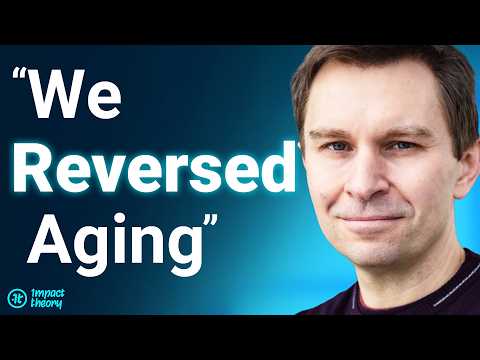 ▶ View on YouTube
4. Human Trial Status in 2026
No CRISPR or gene-editing therapy is approved specifically to slow normal human ageing. Clinical trials are focused on:
- Monogenic premature-ageing diseases such as progeria.
- Cancer immunotherapies (CAR-T, engineered T-cells).
- Familial hypercholesterolaemia and cardiovascular risk genes.
"Anti-ageing" germline editing — changing genes in eggs, sperm or embryos — is banned or tightly restricted in most countries. Somatic editing in adults is allowed in some contexts, but editing healthy adults for longevity remains experimental and ethically debated.
6. What You Can Do Now
While gene editing for longevity is not available, the biology it uncovers is already shaping practical advice:
7. FAQ
Can CRISPR reverse ageing in humans?
Not yet. CRISPR has extended lifespan and reversed some signs of ageing in animals, but human germline editing is banned in most countries and somatic editing for ageing is still experimental.
What is epigenetic reprogramming?
It resets the chemical tags that control gene activity without changing the DNA sequence. In animal studies it has restored vision and other functions, but human safety is unproven.
What are the risks of gene editing for longevity?
Off-target mutations, unintended effects on other genes, immune reactions, cancer from excessive reprogramming, and long-term safety unknowns.
9. Medical Disclaimer
The content on this site is for informational purposes only and is not medical advice. Always consult a qualified healthcare professional before starting any supplement or health intervention.