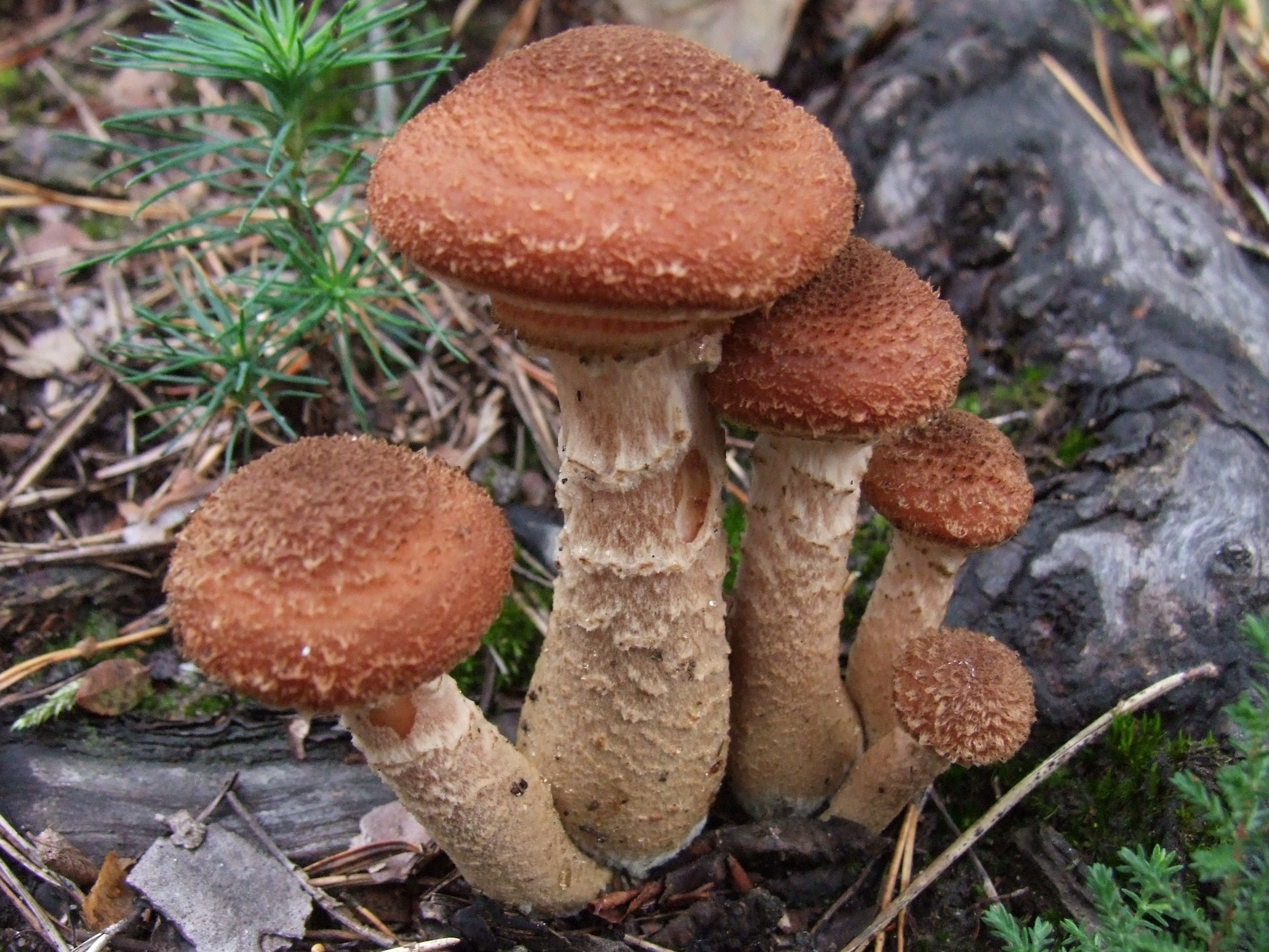
Armillaria ostoyae fruiting bodies in a forest. This species includes the largest known living organism on Earth. Photo: Jerzy Opioła / Wikimedia Commons / CC BY-SA 3.0.
Related products: If you are thinking about trying mushroom-based supplements, these UK options are relevant to the compounds discussed below. LongevityTortoise earns a small commission if you purchase through these Amazon affiliate links — the price you pay is unchanged.
🍄 10 Mushroom Complex + Triple Magnesium — Aiku Labs on Amazon
🍄 Wild Chaga Organic Whole Mushroom Extract Powder — Vimergy on Amazon
The humongous fungus: a single organism thousands of years old
In 1998, a team of US Forest Service researchers mapped a pathogenic fungus across the Blue Mountains of northeast Oregon and found something extraordinary. What looked like many separate fungal patches was actually one continuous genetic individual: a clone of Armillaria ostoyae spanning roughly 965 hectares — about the size of 1,600 football pitches. The distance between its furthest samples was approximately 3.8 kilometres.
Using three estimates of how fast the fungus spreads underground, the researchers dated the genet to between 1,900 and 8,650 years. Even the conservative end would make it older than the Roman conquest of Britain; the upper estimate rivals some of the oldest trees on Earth. The discovery, published in the Canadian Journal of Forest Research by Ferguson et al. (2003), redefined how biologists think about individuality and lifespan.
Armillaria ostoyae is best known to foresters as the cause of Armillaria root disease, a killer of conifers across North America. It spreads mainly along tree roots, but can also build rhizomorphs — flat, shoestring-like filaments that bridge gaps through soil to find new food sources. This ability to explore, fuse and persist may partly explain how one genet has kept growing for so long.
Why can fungal mycelium live so long?
Longevity in any organism depends on controlling damage, repairing DNA, maintaining mitochondria and replacing or recycling worn-out parts. Fungi are not exempt from ageing — laboratory models such as Podospora anserina show classic senescence driven by mitochondrial oxidative stress and the instability of repetitive DNA in mitochondria. But mycelial fungi appear to have evolved several strategies that let some genets survive for centuries or millennia in the wild.
1. Modular, networked growth
Unlike animals, a fungal mycelium is not a single body with a fixed number of cells. It is a branching, modular network that can add new hyphae at the frontier while older sections at the centre senesce or are recycled. This means parts of the organism can die without killing the whole. In effect, the network can continuously regenerate itself from the growing edge.
2. Nuclear quality control in dikaryons
Many basidiomycete fungi, including Armillaria, live with two genetically distinct nuclei inside each cell section — a state called dikaryosis. Research published in Microbiology and Molecular Biology Reviews (Agnolletti et al., 2022) proposes that clamp connections, the tiny curved bridges between fungal cells, act as quality-control checkpoints for nuclei. By screening which nuclei pass on to the next cell, the mycelium may limit the accumulation of deleterious mutations and maintain a healthier genome over vast distances and time spans.
3. DNA repair and telomere maintenance
Fungi rely on the same DNA-repair toolkit as other eukaryotes, including homologous recombination and non-homologous end joining. Some species, such as Ustilago maydis, use recombination-based mechanisms to maintain telomeres when telomerase is absent. Efficient DNA repair and genome-stability pathways are a recurring theme among long-lived organisms, from tortoises to bowhead whales, and almost certainly matter for fungal longevity too.
4. Mitochondrial quality control and redox balance
The filamentous fungus Podospora anserina has been a workhorse for gerontology for decades. Studies led by Heinz D. Osiewacz at Goethe University Frankfurt show that mitochondrial architecture, mitophagy and redox homeostasis strongly influence lifespan in this model. Caloric restriction, reduced mitochondrial reactive oxygen species and better quality control all extend its life. These same pathways are now central targets in human longevity research, from rapamycin to NAD boosters.
From mycology to human supplements: the fungal longevity pipeline
Humans are not mycelial networks, so we cannot simply adopt fungal biology wholesale. What we can do is study the molecules fungi make and ask whether any of them support the same cellular maintenance systems that keep fungi alive — DNA repair, proteostasis, mitochondrial health, antioxidant defence and immune surveillance.
Several fungal-derived compounds are already in the supplement spotlight. Below is an evidence-based snapshot of the main candidates.
| Compound / source | Mechanism of interest | Evidence level | Typical UK doses |
|---|---|---|---|
| Ergothioneine (mushrooms, some fungi) | Antioxidant, mitochondrial protectant, OCTN1 transporter targets tissues with high oxidative stress | Human RCTs growing; observational links to cognitive and cardiovascular health | 5–10 mg/day from supplements; 30 mg/day maximum for novel-food food supplements |
| Beta-glucan (yeast, mushrooms) | Immune modulation via Dectin-1 receptor; may support trained immunity and metabolic health | Multiple RCTs for immune and lipid markers; direct longevity data lacking | 100–500 mg/day purified beta-1,3/1,6 glucan |
| Reishi (Ganoderma lucidum) | Triterpenes and polysaccharides; anti-inflammatory, immunomodulatory and antioxidant effects | Preclinical + some early human trials; no proven lifespan extension in humans | 1–3 g/day dried extract, standardised to triterpenes and polysaccharides |
| Cordyceps militaris | Cordycepin and adenosine analogues; exercise performance, mitochondrial function and anti-inflammatory effects | Preclinical + small human studies; inconsistent ergogenic results | 1–3 g/day extract or 500 mg–1 g/day of standardised cordycepin |
| Mycoprotein (Fusarium venenatum fermentation) | High-quality protein, fibre, low saturated fat; supports muscle protein synthesis and metabolic markers | Systematic reviews and RCTs for cholesterol, satiety and muscle protein synthesis | Food form; typically eaten as part of a balanced diet |
Ergothioneine: the most human-relevant fungal longevity compound?
Among fungal-derived supplements, ergothioneine (EGT) currently has the strongest longevity credentials. It is a sulphur-containing amino acid synthesised primarily by fungi and some bacteria, then concentrated in mushrooms, beans and some animal tissues. Humans cannot make it, but we have a dedicated transporter, OCTN1, that actively accumulates EGT in tissues with high oxidative stress — bone marrow, liver, kidneys, eyes and brain.
That evolutionary investment suggests a physiological role. A 2021 review in the International Journal of Molecular Sciences (Lam-Sidun et al.) summarised preclinical evidence for cardiometabolic protection. A 2023 review in Protein & Cell (Chen et al.) described anti-ageing mechanisms including protection against mitochondrial dysfunction and cellular senescence. A 2025 randomised trial in older adults with subjective memory complaints, published in Nutraceuticals (Zajac et al.), found improvements in some cognitive and sleep measures with EGT supplementation.
In the UK and EU, synthetic L-ergothioneine is an authorised novel food. Food supplements for the general population can contain up to 30 mg/day (20 mg/day for children over 3). Typical commercial products provide 5–10 mg per daily serving. As with all supplements, it should be discussed with a healthcare professional, especially if you are pregnant, breastfeeding or taking medication.
Fungal proteins: beyond supplements into the kitchen
Mushroom supplements are only one way fungi may support healthy ageing. Mycoprotein, the protein-rich food ingredient made by fermenting the fungus Fusarium venenatum, is widely sold in UK supermarkets under brands such as Quorn. A 2021 systematic review in Frontiers in Sustainable Food Systems (Derbyshire et al.) and a 2023 meta-analysis in the American Journal of Clinical Nutrition (Shahid et al.) found that mycoprotein intake was associated with reduced total cholesterol, improved satiety and, in some studies, robust muscle protein synthesis.
For longevity, replacing some red and processed meat with a high-fibre, low-saturated-fat fungal protein source may have metabolic benefits, even if the ingredient itself is not a miracle anti-ageing drug. Protein quality also matters in older age: maintaining muscle mass supports mobility, metabolic health and recovery from illness.
What the mycology of ageing does — and does not — prove
The extreme longevity of Armillaria ostoyae tells us that a networked, modular body with good genome maintenance and mitochondrial quality control can persist for millennia. It does not tell us that eating mushrooms will make a 70-year-old human live to 150. The leap from fungal biology to human supplements is a long one.
What is plausible is that certain fungal compounds support the cellular maintenance pathways that also keep fungi alive: antioxidant buffering, immune regulation, proteostasis, mitochondrial protection and DNA stability. The strongest human evidence currently belongs to ergothioneine, with a smaller but real body of data for beta-glucan and mycoprotein. Reishi and cordyceps remain more interesting than proven for longevity.
Watch: the science of mushrooms and longevity
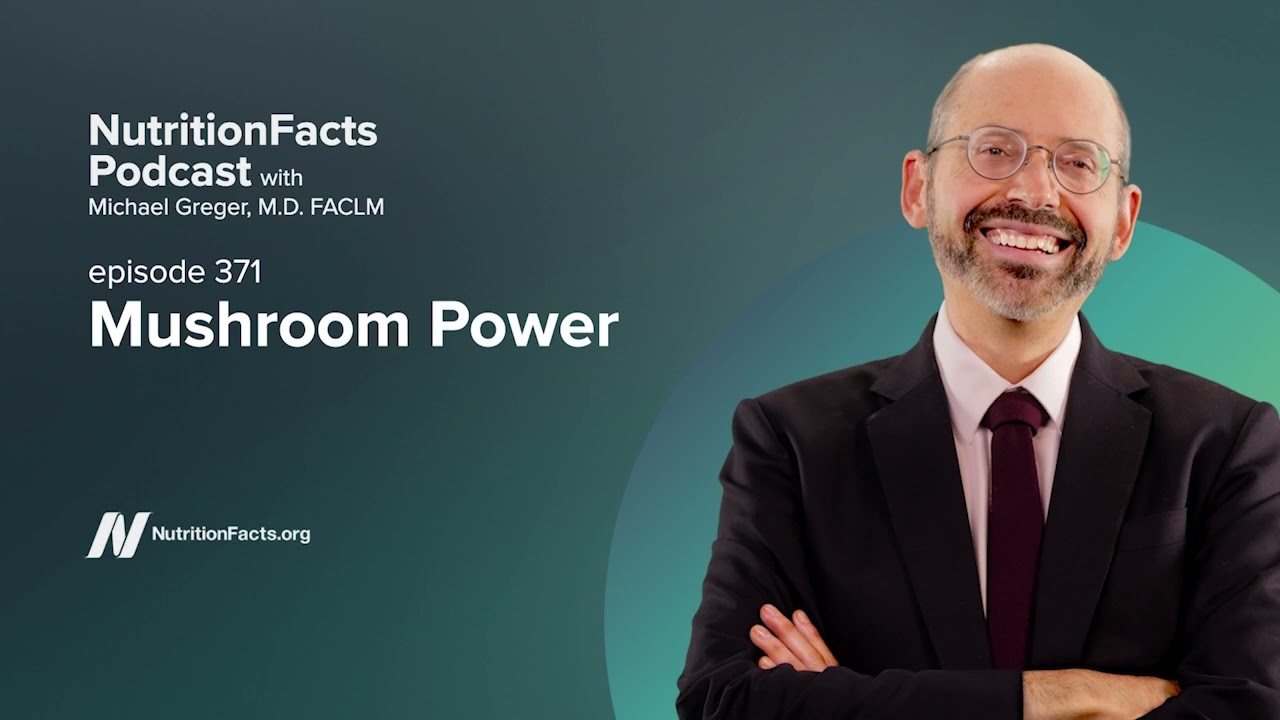
For a deeper dive into how medicinal mushrooms and fungal compounds are being studied for healthy ageing, the NutritionFacts.org podcast Mushroom Power summarises the clinical research on mushrooms, immunity and ergothioneine in plain English.
Practical, cautious takeaways
- Diet first: Regularly eating a variety of mushrooms is the safest, cheapest way to increase ergothioneine and beta-glucan intake.
- Supplement second: If considering ergothioneine, look for UK/EU-authorised products with clear dosage labelling (commonly 5–10 mg/day) and discuss with a healthcare professional.
- Quality matters for extracts: Reishi and cordyceps products vary enormously in triterpene, polysaccharide and cordycepin content. Third-party testing and transparent standardisation are worth checking.
- Interactions exist: Mushroom extracts can interact with blood thinners, blood-pressure medication and immunosuppressants. Medical guidance is essential if you take any of these.
- Mycoprotein as food: A useful sustainable protein source, especially for reducing meat intake, but not a substitute for a varied diet or medical treatment.
FAQ
What is the longest-living fungus?
A single genet of Armillaria ostoyae in Oregon's Malheur National Forest covers roughly 965 hectares and is estimated to be between 1,900 and 8,650 years old, making it the largest known living organism and one of the longest-lived.
Can fungus supplements make humans live longer?
No mushroom or fungal extract has been proven to extend human lifespan. Some compounds show interesting effects on immunity, metabolism and oxidative stress in laboratory, animal and early human trials, but the evidence is preliminary.
Which fungal compound has the most longevity research?
Ergothioneine, a sulphur-containing amino acid found in mushrooms, has the most direct human-focused research, with observational links to cognitive and cardiovascular health and a growing number of supplementation trials.
References
- Ferguson BA, Dreisbach TA, Parks CG, Filip GM, Schmitt CL. Coarse-scale population structure of pathogenic Armillaria species in a mixed-conifer forest in the Blue Mountains of northeast Oregon. Canadian Journal of Forest Research. 2003;33:612-623. doi:10.1139/x03-065
- Smith ML, Bruhn JN, Anderson JB. The fungus Armillaria bulbosa is among the largest and oldest living organisms. Nature. 1992;356:428-431.
- ScienceDaily. "Humongous Fungus A New Kind Of Individual." March 27, 2003. USDA Forest Service release summarising the Ferguson et al. findings.
- Scientific American. "Strange but True: The Largest Organism on Earth Is a Fungus." October 4, 2007.
- Osiewacz HD. Impact of mitochondrial architecture, function, redox homeostasis, and quality control on organismic aging: lessons from a fungal model system. Antioxidants & Redox Signaling. 2024. doi:10.1089/ars.2023.0487
- Osiewacz HD, Schürmanns L. A network of pathways controlling cellular homeostasis affects the onset of senescence in Podospora anserina. Journal of Fungi. 2021;7:263. doi:10.3390/jof7040263
- Agnolletti D, Burn C, Kües U, Navarro-González M. Longevity of fungal mycelia and nuclear quality checks: a new hypothesis for the role of clamp connections in dikaryons. Microbiology and Molecular Biology Reviews. 2022;86:e00022-21. doi:10.1128/mmbr.00022-21
- Lam-Sidun D, Peters KM, Himbert S, O'Donnell VB, Rheault M, Ramprasath VR. Mushroom-derived medicine? Preclinical studies suggest potential benefits of ergothioneine for cardiometabolic health. International Journal of Molecular Sciences. 2021;22:3534. doi:10.3390/ijms22073534
- Chen L, Zhang L, Ye X, Li X. Ergothioneine and its congeners: anti-ageing mechanisms and pharmacophore biosynthesis. Protein & Cell. 2023;14:713-727. doi:10.1093/procel/pzad027
- Zajac I, Hill M, Chopping A, et al. The effect of ergothioneine supplementation on cognitive function, memory, and sleep in older adults with subjective memory complaints: a randomized placebo-controlled trial. Nutraceuticals. 2025;5:15. doi:10.3390/nutraceuticals5030015
- Food Standards Agency / data.food.gov.uk. L-ergothioneine authorised novel food (NOVEL-78). Updated April 2025. Maximum 30 mg/day for general population food supplements.
- Derbyshire EJ, Aya V. Fungal protein — what is it and what is the health evidence? A systematic review focusing on mycoprotein. Frontiers in Sustainable Food Systems. 2021;5:581682. doi:10.3389/fsufs.2021.581682
- Shahid M, Gaines A, Wilson PB, et al. The effect of mycoprotein intake on biomarkers of human health: a systematic review and meta-analysis. American Journal of Clinical Nutrition. 2023;118:141-156. doi:10.1016/j.ajcnut.2023.03.019
- Wang J, Cao B, Zhao H, Feng J. Emerging roles of Ganoderma lucidum in anti-aging. Aging and Disease. 2017;8:691-707. doi:10.14336/AD.2017.0410
- Jędrejko K, Lazur J, Muszyńska B. Cordyceps militaris: an overview of its chemical constituents in relation to biological activity. Foods. 2021;10:2634. doi:10.3390/foods10112634
Published 4 September 2026. This article is for informational purposes only and is not medical advice. Consult a qualified healthcare professional before starting any supplement, especially if you are pregnant, breastfeeding, have a medical condition or take medication. LongevityTortoise is an independent research review site.