TL;DR
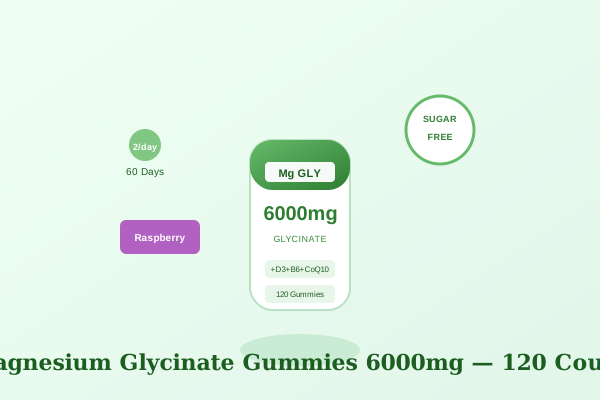
TL;DR: Magnesium glycinate is a well-absorbed, gentle form of magnesium commonly used for sleep, calm and muscle relaxation. Many UK gummy labels advertise the magnesium glycinate complex weight (for example, 6000mg), not the elemental magnesium dose, which is the number that matters. Most adults need 270–300mg of elemental magnesium per day from food plus supplements. For a sugar-free, family-friendly gummy option, the 6000mg Magnesium Glycinate Gummies on Amazon UK are competitively priced at £15.99 for 60 days, but check the label for the exact elemental magnesium per serving.
1. Why Magnesium Matters for Healthy Ageing
Magnesium is an essential mineral involved in more than 300 enzymatic reactions. It supports muscle and nerve function, blood pressure regulation, bone health, energy production and sleep. Observational studies link low magnesium intake to higher risks of cardiovascular disease, type 2 diabetes, osteoporosis and poor sleep quality.
Many UK adults do not consistently meet the reference nutrient intake: 270mg/day for women and 300mg/day for men aged 19–64. Older adults, people with digestive disorders, those on proton-pump inhibitors, and individuals with high alcohol or processed-food intakes are at higher risk of insufficiency.
🐢 Tortoise Wisdom
"You don't need exotic longevity molecules to support basic cellular health. Fixing a magnesium deficiency is often one of the cheapest, highest-impact changes."
2. Magnesium Glycinate vs Other Forms
Not all magnesium supplements are equivalent. The form determines absorption, tolerability and intended use:
- Magnesium glycinate: Highly bioavailable, gentle on the stomach, good for sleep and calm. Bound to glycine, an inhibitory amino acid.
- Magnesium citrate: Well absorbed but can have a laxative effect; sometimes used for constipation.
- Magnesium oxide: High elemental magnesium by weight but poorly absorbed; common in cheap tablets.
- Magnesium threonate: Animal data suggests better brain penetration; human evidence is limited and it is expensive.
- Magnesium malate: Sometimes used for muscle pain and energy; evidence is modest.
For general sleep and calm support, magnesium glycinate is usually the best-tolerated choice.
3. Elemental Magnesium vs Complex Weight: How to Read Labels
This is the most common source of confusion. A bottle that says "6000mg Magnesium Glycinate" is almost always describing the weight of the chelated complex, not the pure magnesium content. Because magnesium glycinate is only about 14% elemental magnesium by weight, 6000mg of complex could yield roughly 200–300mg of elemental magnesium — but the exact ratio depends on the manufacturer's chelate.
Always look at the Supplement Facts panel for the line that states "elemental magnesium" or "magnesium (as magnesium glycinate)." That is the figure to compare against the UK reference nutrient intake and against other products.
4. What Does Human Evidence Show?
- Sleep: A 2021 systematic review in BMC Complementary Medicine and Therapies found magnesium supplementation may improve sleep quality and reduce insomnia severity in older adults.
- Stress and anxiety: A 2017 systematic review in PLoS One reported modest benefits in people with mild anxiety and low magnesium status when magnesium was combined with vitamin B6.
- Cardiovascular health: Low magnesium status is associated with higher blood pressure and cardiovascular risk in observational studies. Correcting deficiency is sensible, but magnesium is not a blood-pressure drug.
- Muscle cramps: Evidence is mixed. Magnesium appears more helpful for pregnancy-related cramps than for idiopathic nocturnal leg cramps in older adults.
No human trial has shown that magnesium extends lifespan. Its value lies in correcting deficiency and supporting sleep, muscle and nerve health.
7. Safety and Interactions
Magnesium at moderate doses is safe for most people. Common side effects of too much include diarrhoea, nausea and abdominal cramps. Magnesium can interact with:
- Bisphosphonates: Magnesium can reduce absorption if taken at the same time.
- Antibiotics: Some antibiotics form insoluble complexes with magnesium.
- Diuretics: Can either increase magnesium loss or cause retention, depending on the diuretic type.
- Kidney disease: People with impaired renal clearance should not take high-dose magnesium without medical supervision.
⚠️ Not Medical Advice: If you have kidney disease, heart block, or take prescription medications, speak to a clinician before adding magnesium supplements.
9. FAQ
What is magnesium glycinate?
Magnesium glycinate is magnesium bound to the amino acid glycine. It is one of the better-absorbed and gentler forms of magnesium, often used for sleep, calm and muscle relaxation with less risk of diarrhoea than magnesium oxide or citrate.
Does the 6000mg on a magnesium glycinate label mean 6000mg of magnesium?
No. The milligram figure on the front of many magnesium glycinate products usually refers to the magnesium glycinate complex, not elemental magnesium. Elemental magnesium is typically a fraction of the complex weight and must be checked on the Supplement Facts label.
How much magnesium should I take per day?
UK reference nutrient intakes are 270mg/day for women and 300mg/day for men aged 19-64, from all sources including food. Supplement doses commonly range from 100-400mg of elemental magnesium per day, depending on diet and need.
Can magnesium extend lifespan?
No. Magnesium has not been proven to extend human lifespan. It is best viewed as a mineral support supplement for sleep, muscle function, nerve signalling and cardiovascular health.
10. Affiliate Disclosure
This article contains affiliate links, including a link to Magnesium Glycinate Gummies on Amazon UK. LongevityTortoise may earn a small commission if you purchase through these links, at no extra cost to you. This does not influence our editorial judgements.